
The Lung Longevity Plan
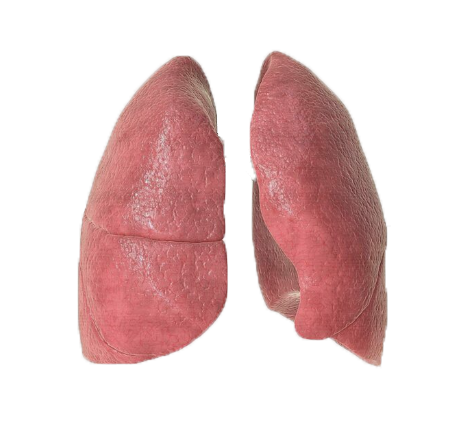
Your lungs rank among the largest and most important organs in the human body, following only the skin and liver in size. Each lung measures roughly 9 to 10 inches long and about 3 to 4 inches wide at its broadest point. Together, they weigh just over 2 pounds.
While their physical size is impressive, their internal design is even more remarkable. If you spread out the lungs’ total surface area, it would cover a space about the size of a tennis court. This vast area allows your body to exchange oxygen and carbon dioxide efficiently with every breath you take.
Lungs typically reach full maturity between ages 20 and 25. From that point forward, lifestyle choices play a major role in how well they function over time.
Because breathing powers every system in the body, lung performance directly affects mobility, stamina, and daily comfort. When breathing becomes difficult, even simple tasks can feel exhausting.
How to Gauge Your Current Lung Health
You can get a general sense of your lung function by paying attention to a few basic indicators:
- Breathing Ease – Do you breathe comfortably during normal daily activity?
- Deep Breath Capacity – Can you take a deep breath and hold it for 10–15 seconds without strain?
- Temperature Tolerance – Can you breathe comfortably in both hot and cold environments?
If any of these feel difficult, your lungs may not be functioning at their best. In that case, a medical evaluation is a smart next step.
Common Causes of Lung Damage
Several factors can weaken lung function, especially with long-term exposure:
- Smoking
- Secondhand smoke
- Indoor and outdoor air pollution
- Respiratory infections
- Physical inactivity
Each of these limits oxygen intake, reduces lung elasticity, or inflames airway tissue.
Strengthening Your Lungs
The good news: you can improve lung capacity.
Breathing acts as the primary exercise for your lungs. The more effectively you use them, the stronger they become. Activities that support lung health include:
- Deep-breathing exercises
- Cardiovascular training
- Spending time in clean-air environments
- Maintaining consistent physical activity
Over time, these habits can increase endurance, improve oxygen flow, and support overall respiratory efficiency.
Resources:
Summa Health, Incorporate These 5 Daily Habits to Improve Your Lung Health, Faisal Qadir, M.D., February 20, 2023
Summa Health
Last viewed: 20240831
Columbia University, Irving Medical Center, ColumbiaDoctors, How to know your lungs are healthy, Wilson Quezada, MD., April 13, 2023,
Columbia Doctors
Last viewed: 20240831


Leave a Reply
Want to join the discussion?Feel free to contribute!