
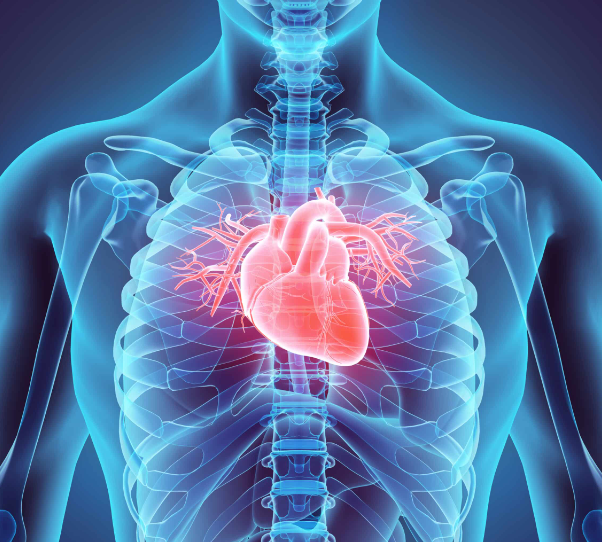
Fuel Your Heart: Simple Foods and Exercise for Lasting Health
Heart disease, including heart attacks, is the leading cause of death in the United States due to a combination of factors related to lifestyle, genetics, and healthcare.
Heart-Healthy Meals You Can Make at Home
Eating heart-healthy meals at home is a simple and effective way to take control of your health. When you prepare your own food, you have full control over how much salt, sugar, and unhealthy fats are added, which can make a big difference in supporting your heart. By focusing on whole, minimally processed ingredients, you can create delicious, nutritious meals that benefit your heart in the long run.
Omega-3 Fatty Acid-Rich Fish
Fish rich in omega-3 fatty acids, like salmon, tuna, and herring, are excellent for heart health. These healthy fats help reduce bad cholesterol and inflammation in the body, promoting a healthier cardiovascular system. If fish isn’t a regular part of your diet, you can also turn to fish oil supplements as an alternative to get those heart-healthy omega-3s.
Beans and Lentils
Beans and lentils are other great heart-friendly options. These plant-based proteins are full of fiber, which helps lower cholesterol and keeps your heart in good shape. They are also rich in potassium, which helps control blood pressure. Adding beans or lentils to soups, stews, or salads is an easy way to include them in your meals and boost your heart health.
Cruciferous Vegetables
Cruciferous vegetables like broccoli, Brussels sprouts, and cauliflower are also packed with fiber and antioxidants that help protect the heart. These veggies not only provide essential nutrients, but they also reduce inflammation and improve blood vessel function. Roasting, steaming, or adding them to other dishes is a simple way to enjoy their heart-healthy benefits.
Leafy Greens
Leafy greens such as kale, spinach, and collard greens are rich in potassium, vitamin K, and other heart-supporting nutrients. Potassium helps manage blood pressure, while vitamin K plays a role in keeping your blood vessels healthy. You can add these greens to salads, smoothies, or soups for an easy way to work them into your diet.
Sweet Potatoes
Sweet potatoes are another heart-healthy food that’s rich in potassium, fiber, and vitamin C. These nutrients support heart function and help balance sodium levels in the body, reducing strain on the heart. Whether you bake, mash, or roast them, sweet potatoes make for a delicious and nutritious addition to any meal.
Healthy Oils
Healthy oils, such as olive, avocado, and coconut oil, provide monounsaturated fats that can improve cholesterol levels and reduce inflammation. Olive oil, in particular, is known for its heart-healthy benefits and can be used in salad dressings, sautéing, or drizzling over vegetables. When cooking at higher temperatures, opt for avocado oil, as it’s more stable at those heat levels.
The Importance of Exercise
In addition to eating heart-healthy foods, regular exercise plays a crucial role in maintaining heart health. You don’t need to engage in intense workouts; even moderate exercise, like walking, can significantly reduce the risk of heart disease. Aim for at least 30 minutes of walking a day, or break it up into shorter sessions throughout the day. The key is to stay consistent and move regularly.
Simple, Powerful Changes
By focusing on these nutrient-dense foods and staying active, you can make simple but impactful changes that will benefit your heart over time.


Leave a Reply
Want to join the discussion?Feel free to contribute!