
Rewiring the Brain: How to Use Neuroplasticity to Improve Cognitive Health
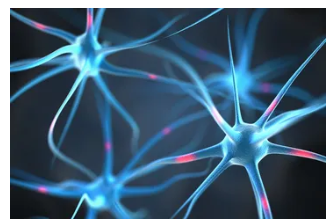
Neural pathways are networks of neurons that transmit signals across different brain regions. Neurons serve different functions. For instance, motor neurons control muscles, while sensory neurons send signals from our senses—sight, touch, smell, taste, and hearing. Additionally, interneurons connect neurons to one another and help transfer information within the brain.
Neuroplasticity: The Brain’s Ability to Adapt
Neuroplasticity is the brain’s ability to create new neural pathways. This process allows the brain to adapt rather than rely solely on existing connections. In response to learning, experience, or injury, the brain forms new pathways, strengthens weak ones, or reroutes functions. For example, after injury or disease, the brain can shift tasks to undamaged areas. Moreover, focused attention and repeated actions help establish and solidify these new connections, making them stronger over time.
Types of Neuroplasticity
There are two main types of neuroplasticity:
- Functional plasticity: This refers to the brain’s ability to compensate for damage. If one part of the brain becomes impaired, another region can take over the lost function.
- Structural plasticity: In this case, the brain physically alters its structure in response to new learning, experience, or environmental changes. It strengthens important pathways while pruning unnecessary ones.
How to Create New Neural Pathways
You can foster the growth of new neural pathways through various activities. It’s important to engage in consistent, focused practice to promote long-lasting changes. Here are several ways to stimulate your brain:
- Learn New Skills: Taking on new challenges, such as learning a language or playing an instrument, forces the brain to create new connections. As a result, this enhances cognitive flexibility and strengthens the neural networks involved.
- Practice Mindfulness and Meditation: These practices reduce stress and improve brain function. By fostering emotional regulation and focus, they help reinforce positive neural pathways and improve mental clarity.
- Exercise Regularly: Physical activity boosts the release of neurotrophic factors, which support the growth of new neurons. This process is especially beneficial for the hippocampus, a region associated with memory and learning.
- Sleep Well: Sleep plays a critical role in memory consolidation. During rest, the brain strengthens neural connections and prunes unnecessary pathways. This enhances cognitive efficiency and emotional balance.
- Repetition: Repeating tasks or behaviors over time helps reinforce neural connections. The more you practice, the more permanent and efficient these pathways become.
By engaging in these practices, you can reshape your brain’s architecture. This adaptability allows you to replace old habits, enhance cognitive abilities, or improve emotional responses. Would you like tips on targeting specific neural pathways for personal growth or performance?
Resources:
Columbine Health Systems, Center For Healthy Aging, Colorado State University, How To Rewire Your Brain, Grace Weintrob, May 31, 2022
Columbine Health Systems
Last Viewed: 20230711
National Library of Medicine, National Center for Biotechnology Information, Neuroplasticity, Matt Puderbaugh, Prabhu D. Emmady, May 1, 2023
National Library of Medicine
Last Viewed: 20230525



Leave a Reply
Want to join the discussion?Feel free to contribute!