
Breathe
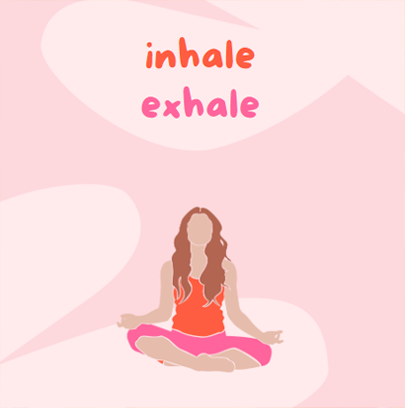
Deep breathing does more than calm you during stressful moments. It actively supports your brain, heart, and overall well-being. When you inhale through your nose, hold your breath, and slowly exhale through your mouth, you intentionally guide your body into a more relaxed state.
How Deep Breathing Works
When you practice controlled breathing—such as inhaling for four seconds, holding for four seconds, and exhaling for four seconds—you activate your parasympathetic nervous system. As a result, your body shifts away from the “fight or flight” response and moves toward a calmer, more balanced state.
What Happens in Your Body
- Increased oxygen intake improves brain function and mental clarity.
- A slower heart rate reduces strain on your cardiovascular system.
- Lower stress hormone levels decrease anxiety and tension.
- Relaxed blood vessels help reduce blood pressure.
Because of these changes, even five to ten breathing cycles can noticeably calm your body.
Deep Breathing and Blood Pressure
Deep breathing proves especially helpful when stress or anxiety temporarily raises your blood pressure. As you slow your breathing, your heart rate decreases and your blood vessels relax. Consequently, your blood pressure can return to a healthier range.
However, chronic high blood pressure requires a broader approach. In that case, breathing exercises should complement—not replace—medical care.
Lifestyle Changes That Support Healthy Blood Pressure
- Regular physical activity strengthens your heart.
- Reduced sodium intake helps prevent fluid retention.
- Weight management lowers cardiovascular strain.
- Quality sleep supports hormone balance.
- Consistent stress management keeps pressure levels stable.
Sometimes, doctors also recommend medication to maintain long-term control.
Being Proactive About Medication
If your doctor prescribes blood pressure medication, stay actively involved in your care.
- Ask why they selected that specific medication.
- Research potential side effects before starting it.
- Monitor your body carefully once you begin treatment.
- Avoid stopping medication abruptly without medical guidance.
By staying informed and attentive, you protect your long-term health.
Final Thoughts
Ultimately, deep breathing gives you a simple, free, and powerful health tool. While it may not replace treatment for chronic hypertension, it strengthens your overall strategy and helps you manage stress more effectively each day.
Resources:
Harvard Health Publishing, Harvard Medical School
Relaxation Techniques: Breath Control Errant Stress Response, July 6, 2020
Harvard Health
Last viewed: 20231115
Cleveland Clinic
Diaphragmatic Breathing, Last Reviewed by a Cleveland Clinic medical professional on March 3, 2022
Cleveland Clinic
Last viewed: 20231115


Leave a Reply
Want to join the discussion?Feel free to contribute!