
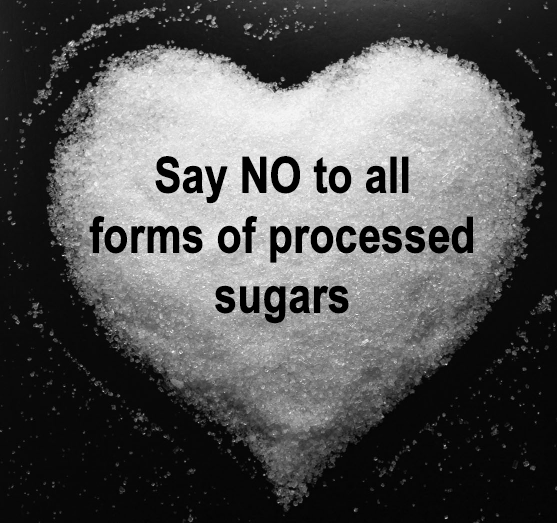
Sugar: The Sweet Habit That’s Hurting Your Health
In the March/April 2021 special edition, Time Magazine explored The Science of Sugar: How It Works and How We Use It. The issue explains how sugar affects the body, the brain, and daily behavior. More importantly, it shows why reducing sugar requires intention, not just awareness.
Sugar and Cravings
At first, sugar feels harmless. It tastes good. It gives quick energy. However, that quick rise in blood sugar does not last. Soon after, levels drop. As a result, the body asks for more.
Over time, this pattern strengthens cravings. In other words, the more sugar you eat, the more you want it. Because sugar activates the brain’s reward system, it reinforces the habit. Consequently, what begins as an occasional treat can slowly become a daily expectation.
America’s Sugar Environment
Clearly, desserts contain sugar. Donuts, cookies, cakes, candy, and ice cream make that obvious. Yet sugar does not stop there.
In fact, it appears in many unexpected places:
- Ketchup and barbecue sauce
- Bread and packaged snacks
- Sports and energy drinks
- Alcohol
- Chips and fries
Moreover, the body converts most carbohydrates into glucose. Therefore, foods like white bread, fries, and chips act like fast sugars. They spike blood sugar quickly and keep it elevated. By contrast, whole fruits contain fiber. As a result, digestion slows and blood sugar rises more steadily.
Glucose vs. Fructose
Although we often group all sugars together, they do not behave the same way. Glucose fuels nearly every cell in the body. The body uses it immediately for energy. Fructose, however, travels to the liver first.
When consumed in excess—especially from added sugars—the liver converts much of that fructose into fat. Over time, this process may contribute to metabolic problems. Therefore, the issue is not small amounts of natural sugar in whole foods. Instead, the concern centers on long-term overconsumption of added sugars.
The Hidden Damage
Sugar does not cause instant harm. Rather, damage builds slowly. Chronically high blood sugar increases inflammation. It stresses blood vessels. It strains organs.
As a result, the risk of diabetes, heart disease, and other chronic conditions rises. Many people who reduce added sugar report improved energy and fewer aches. While sugar alone does not cause every illness, excess intake pushes the body toward imbalance.
Mind and Body Connection
At the same time, physical health and mental habits intertwine. When blood sugar swings sharply, mood often shifts as well. Furthermore, stress increases cravings. Lack of sleep intensifies them.
Consequently, people may know what they should eat but still struggle to change. The body demands quick energy. Meanwhile, the mind tries to apply discipline. This internal tension explains why reducing sugar can feel so difficult.
A Gradual Solution
Fortunately, change does not require extremes. Instead of eliminating sugar overnight, reduce it gradually. For example, cut intake by 10–20% every few months. Small reductions feel manageable. Therefore, they tend to last.
Focus on simple shifts:
- Choose water over sugary drinks
- Eat whole foods more often
- Read ingredient labels carefully
- Pair carbohydrates with protein or fiber
Ultimately, sugar is not poison. The body needs glucose to function. However, consistent excess overwhelms the system. In the end, awareness combined with steady action protects your long-term health far more effectively than drastic short-term restriction.
Resources:
Harvard Health Publishing, Harvard Medical School, The Sweet Danger of Sugar, January 6, 2022
https://www.health.harvard.edu/heart-health/the-sweet-danger-of-sugar
WebMD, How Does Too Much Sugar Affect Your Body?, Locke Hughes, January 9, 2024, Medically Reviewed by Melinda Ratini, DO
https://www.webmd.com/diabetes/features/how-sugar-affects-your-body

Leave a Reply
Want to join the discussion?Feel free to contribute!