
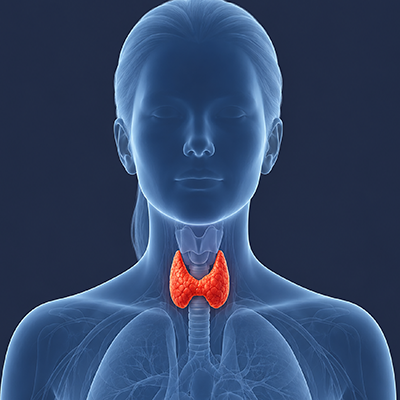
Estrogen Decline: Hormone Imbalance
How Declining Estrogen Can Lower TBG and Increase Free T3 and T4
Hormones work together in a delicate balance. When one hormone changes, it often affects many others. Estrogen is a good example. While most people associate estrogen with reproductive health, it also plays an important role in thyroid hormone transport.
As estrogen levels decline, the amount of thyroid-binding globulin (TBG) in the bloodstream can decrease. This change may temporarily increase the amount of free thyroid hormones, including free T3 and free T4.
What Is TBG?
Thyroid-binding globulin, or TBG, is a protein produced by the liver. Its main job is to bind and transport thyroid hormones throughout the body. Most thyroid hormones circulate in the bloodstream attached to proteins such as TBG. Only a small percentage remains unbound, or “free.” These free hormones are the biologically active forms that can enter cells and support metabolism, energy production, and many other functions.
How Estrogen Affects TBG
Estrogen stimulates the liver to produce more TBG. As a result, higher estrogen levels often lead to higher TBG levels.
This effect becomes especially noticeable during:
- Pregnancy
- Estrogen replacement therapy
- Oral contraceptive use
When TBG increases, more thyroid hormone becomes bound to the protein. Consequently, less remains available in its free form until the body adjusts.
What Happens When Estrogen Declines?
Estrogen levels naturally decline during perimenopause and menopause. They may also decrease due to certain medical conditions, surgical menopause, or other hormonal changes. As estrogen drops, the liver often produces less TBG. With fewer binding proteins available, more thyroid hormone can remain unbound in the bloodstream.
This shift can lead to:
- Lower TBG levels
- Higher free T3 levels
- Higher free T4 levels
However, the body’s feedback systems usually work to restore balance over time. Therefore, the increase in free thyroid hormones may not always produce obvious symptoms.
Why This Matters
Changes in estrogen can sometimes influence thyroid test results. A person may notice shifts in free T3, free T4, or total thyroid hormone levels even when the thyroid gland itself functions normally. For women entering menopause, these hormonal interactions can make thyroid evaluation more complex. Symptoms such as fatigue, mood changes, weight fluctuations, and temperature sensitivity may overlap between thyroid and hormonal changes.
The Importance of a Complete Evaluation
Because estrogen and thyroid hormones influence one another, healthcare providers often look at the full picture rather than a single laboratory value.
A comprehensive evaluation may include:
- TSH (thyroid-stimulating hormone)
- Free T4
- Free T3
- Total T4 and Total T3
- TBG levels when appropriate
- Estrogen status
Understanding these relationships can help explain why thyroid hormone measurements sometimes change during periods of hormonal transition.
Final Thoughts
Estrogen does more than support reproductive health. It also helps regulate thyroid hormone transport by influencing TBG production. As estrogen declines, TBG levels may decrease, allowing a greater percentage of thyroid hormones to remain free in circulation. Although the body usually compensates for these changes, understanding the connection between estrogen, TBG, and thyroid hormones can provide valuable insight into hormonal health, especially during perimenopause and menopause.
RESOURCES:
Cleveland Clinic, Low Estrogen, Medically Reviewed, April 17, 2026 Article Link
National Library of Medicine, National Center for Biotechnology Information, Ana Paula Santin, Tania Weber Furlanetto, May, 4, 2011, Article Link


Leave a Reply
Want to join the discussion?Feel free to contribute!