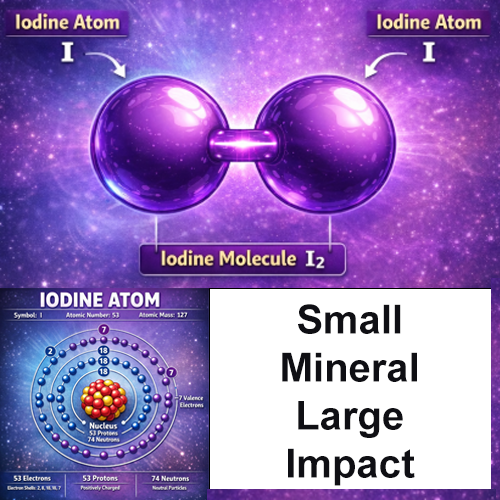
Iodine: The Small Mineral with a Big Impact
Iodine: The Essential Micronutrient Your Body Can’t Live Without
When people think about nutrition, they often focus on protein, carbs, fats, or even vitamins like C and D. However, one tiny mineral plays an outsized role in your health.
Iodine is needed in very small amounts, yet it is absolutely essential for life. Without it, your body simply cannot function properly.
What Is Iodine?
Iodine is a trace mineral, meaning your body only needs it in small quantities. However, unlike some nutrients, your body cannot produce iodine on its own. Therefore, you must get it from your diet.
Even though it is required in microgram amounts, iodine has a powerful and wide-reaching impact on your overall health.
What Happens When You Don’t Get Enough?
When iodine intake drops, your thyroid struggles. As a result, it cannot produce enough hormones. Consequently, your metabolism slows down.
Fatigue may begin to set in. In addition, weight gain and dry skin may become noticeable. Feeling cold when others feel fine is also common. Hair thinning may occur as well.
Over time, your thyroid may enlarge as it tries to trap more iodine from your bloodstream. As a result, this enlargement creates a visible swelling in the neck known as a goiter.
Iodine’s Main Role: Supporting the Thyroid
The primary job of iodine is to help your thyroid gland produce thyroid hormones.
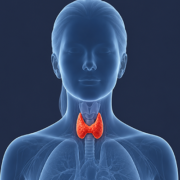
The thyroid is a small, butterfly-shaped gland located at the front of your neck. Specifically, it produces two crucial hormones:
• Thyroxine (T4)
• Triiodothyronine (T3)
These hormones regulate metabolism (how your body converts food into energy), heart rate, body temperature, brain development, growth, and repair.
Without enough iodine, your thyroid cannot produce adequate amounts of these hormones. As a result, your entire system slows down.
Likewise, when iodine intake is too low, the thyroid gland enlarges in an attempt to capture more iodine from the bloodstream. This enlargement is called a goiter.
How Much Iodine Do You Need?
Recommended daily intake varies by age. Generally, the guidelines are:
• Adults: ~150 micrograms per day
• Pregnant women: ~220–250 micrograms per day
• Breastfeeding women: ~250–290 micrograms per day
Because requirements are small, even modest dietary sources can meet daily needs.
Best Dietary Sources of Iodine
Some of the richest sources include:
• Seaweed (extremely high in iodine)
• Fish and shellfish
• Dairy products
• Eggs
• Iodized table salt
However, one important note: natural sea salt, Himalayan salt, and gourmet salts are often not iodized. Therefore, relying exclusively on these may mean you are not getting enough iodine.
Can You Get Too Much Iodine?
Yes; more is not always better.
In fact, excess iodine can also disrupt thyroid function and may lead to thyroid disorders. Extremely high intake (often from large amounts of seaweed or supplements) can lead to delirium, diarrhea, gastrointestinal upset, and vomiting. However, it is rarely fatal.
Nevertheless, chronic iodine toxicity can lead to severe thyroid inflammation and thyroid cancers.
Why Your Thyroid Depends on It
Your thyroid sits at the front of your neck. As mentioned earlier, it produces two key hormones: T4 (thyroxine) and T3 (triiodothyronine). To make these hormones, iodine is required. Simply put, without iodine, hormone production cannot occur.
These hormones control your metabolism, which influences how fast you burn calories. In addition, they help regulate your heart rate and maintain your body temperature. In short, they help set your internal speed.
As a result, iodine directly affects how energized or sluggish you feel each day.
The Bottom Line
Iodine may seem small, yet it drives powerful processes in your body. It fuels thyroid hormone production. Iodine regulates metabolism and supports brain development. It protects long-term health.
Without enough iodine, your system slows down. However, with the right amount, it runs smoothly. BE CAREFUL don’t you can’t take too much iodine because it can do more damage than good.
Sometimes the smallest nutrients have a large and important impact on overall health.
Resources:
National Institutes of Health, Office of Dietary Supplements, May 1, 2024
Article Link
Mayo Clinic, Should I Take Iodine Supplements, July 9, 2024, Mayo Clinic Staff,
Article Link


Leave a Reply
Want to join the discussion?Feel free to contribute!