
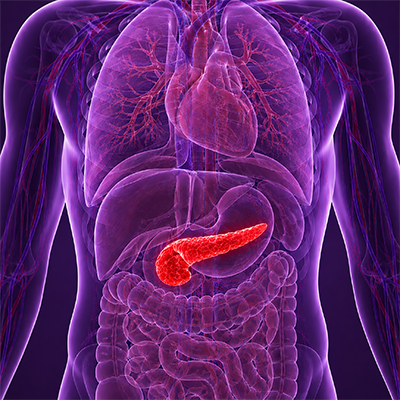
The Pancreas and Digestive Enzymes
How Digestive Enzyme Supplements Support Pancreatic Health
The pancreas plays a vital role in digestion. It produces enzymes that break down proteins, fats, and carbohydrates so your body can absorb nutrients efficiently.
However, when the pancreas becomes inflamed or loses function, digestion often suffers. Many people experience bloating, gas, abdominal discomfort, diarrhea, and poor nutrient absorption. Digestive enzyme supplements can help by assisting the body’s natural digestive process and reducing the digestive burden on the pancreas.
Proteases Help Break Down Protein
Proteases break dietary proteins into smaller peptides and amino acids. Your pancreas naturally produces several protease enzymes to perform this task.
When protein digestion slows down, undigested protein can contribute to digestive discomfort and poor nutrient absorption. Protease supplements help break proteins down more completely, allowing the body to absorb and use amino acids more effectively.
Pepsin Starts Protein Digestion Early
Pepsin works in the stomach and begins protein digestion before food enters the small intestine.
This enzyme breaks large protein molecules into smaller fragments, making digestion more efficient. Pepsin supplements may support people who produce lower levels of stomach acid and struggle to digest protein-rich foods.
Aminopeptidases Complete Protein Digestion
Aminopeptidases continue the digestive process by converting peptides into individual amino acids.
These amino acids provide the building blocks for muscles, hormones, enzymes, and other essential body functions. By supporting the final stage of protein digestion, aminopeptidases can improve amino acid absorption and utilization.
Lipase Supports Fat Digestion
Lipase serves as one of the most important enzymes for pancreatic health. The pancreas produces lipase to break dietary fats into smaller molecules that the body can absorb.
Without enough lipase, fat digestion becomes difficult. As a result, some people develop bloating, greasy stools, digestive discomfort, and deficiencies in vitamins A, D, E, and K.
Lipase supplements help the body digest fats more efficiently and absorb essential nutrients.
Alpha-Amylase Helps Digest Carbohydrates
Alpha-amylase breaks down complex carbohydrates and starches into simpler sugars.
The pancreas produces large amounts of amylase during normal digestion. When carbohydrate digestion becomes less efficient, supplemental alpha-amylase can help improve the breakdown of starches and reduce digestive discomfort after meals.
Alpha-Galactosidase Reduces Gas and Bloating
Many foods contain complex sugars that challenge the digestive system. Beans, lentils, vegetables, and whole grains contain carbohydrates that often cause gas and bloating.
Alpha-galactosidase helps break down these sugars before intestinal bacteria ferment them. As a result, many people experience less gas, bloating, and abdominal discomfort after eating these foods.
Lactase Helps Digest Dairy Products
Lactase breaks down lactose, the natural sugar found in milk and dairy products.
People who produce low levels of lactase often experience symptoms such as bloating, gas, cramping, and diarrhea after consuming dairy. Lactase supplements help digest lactose before it reaches the colon, allowing many individuals to enjoy dairy products with fewer digestive issues.
Digestive Enzymes Can Ease the Workload on the Pancreas
Digestive enzyme supplements support the breakdown of proteins, fats, carbohydrates, and specific food sugars. Consequently, they can improve nutrient absorption and reduce many common digestive complaints.
Although these supplements do not cure pancreatic disease, they can help support digestion when the pancreas struggles to produce enough enzymes. Anyone who experiences persistent digestive symptoms, unexplained weight loss, or chronic diarrhea should seek medical evaluation.
When used appropriately, digestive enzyme supplements can support digestive health, improve comfort after meals, and help reduce stress on the digestive system.
RESOURCES:
Mayo Clinic, Should You Add Enzyme Supplements to Your Shopping List? Mayo Expert Explains Pros & Cons, Sharon Theimer, August 24, 2014, Article Link
John Hopkins Medicine, Health, Digestive Enzymes and Digestive Enzyme Supplements, Morgan Denhard, MS, RD, LDN, No Date Available, Article Link


Leave a Reply
Want to join the discussion?Feel free to contribute!